

What happens on settlement day in NSW, and how to time your move around it
The money and the paperwork move online in an hour or so. The furniture takes all day. Here is how the two fit together.

Short answer
On settlement day in NSW, the buyer’s and seller’s conveyancers and lenders complete the sale electronically in a shared workspace at a booked time. The balance is paid, the seller’s loan is cleared and the transfer is lodged. Once the conveyancers confirm it has gone through, the agent hands over the keys and the buyer can move in.
Key takeaways
- Nobody needs to attend settlement in NSW. It happens online, through a platform such as PEXA, run by your conveyancer or solicitor.
- Under the standard NSW contract the seller normally has to give vacant possession on completion, so everything they are taking must be out by then.
- Keys change hands only after settlement is confirmed, so a buyer should never plan to unload before that call comes.
- If you are selling and buying on the same day, load the truck early and book the unload for after settlement, not before it.
- Plan for a late settlement before it happens: know who will call you, and whether your things can wait on the truck or need storage help.
- Settlement week is peak season for scam emails. Confirm any bank details by phone on a number you already have.
Jump to a section 10
- What settlement actually is
- The settlement day timeline, hour by hour
- What the seller needs out, and by when
- How to time the truck
- If settlement runs late
- Apartments and strata buildings: one more call
- Settlement week and scam emails
- A settlement week checklist for the move
- Small jobs that are easy to forget
- Common questions
What settlement actually is
Settlement, which the contract calls completion, is the moment the buyer pays the rest of the price and becomes the legal owner. The NSW Government’s guide to contracts and deposits says it usually takes place around six weeks after contracts are exchanged. The standard NSW contract prepared by the Law Society and REINSW sets a default date for completion of the 42nd day after the contract date, although buyers and sellers often agree on something different.
None of it happens in a room any more. In NSW you must use a solicitor or licensed conveyancer who subscribes to an electronic lodgment network, and the NSW Government notes that cheques and paper documents are no longer needed for settlements. On PEXA’s own explanation, your lawyer or conveyancer manages the sale or purchase in a digital PEXA workspace that both sides and their banks work in.
That is the part most guides cover. What they skip is that settlement is the hinge for the physical move. The seller has to be out, the buyer cannot get in until it clears, and the truck in between has to be timed to both. That is the side of the day we deal with.
This is a moving guide, not legal advice
We are removalists. We can tell you how the move fits around settlement, but your solicitor or conveyancer is the person to ask about your contract, your dates and anything that goes wrong legally.
The settlement day timeline, hour by hour
Every settlement is a little different, but the order of events is the same. The standard contract has the seller set up the electronic workspace within seven days of the contract date and fill in the date for completion, and the conveyancers later agree a completion time in it. That booked time is the anchor for everything else on the day.
| When | Seller | Buyer |
|---|---|---|
| Early morning | Truck loads the last rooms; house cleared | Final inspection of the new home |
| Before the booked time | Keys and remotes left with the agent as arranged | Truck loaded at the old place, if also selling |
| Booked completion time | Settlement goes through online | Settlement goes through online |
| After confirmation | Funds arrive; the move is done | Agent releases the keys; the truck unloads |
Morning: the final inspection
The NSW Government suggests buyers do a final inspection on the morning of settlement day, to check the property is in the same condition as when contracts were exchanged. The standard contract gives the buyer one inspection in the three days before the time set for completion.
For a seller, that means the house should be cleared, or close to it, before the buyer walks through. Arriving at an inspection to find half the furniture still in place is how settlement days start badly.
The booked time: funds move and the transfer is lodged
In the lead-up, each side’s conveyancer and lender sign their documents and figures in the workspace. The NSW Government explains that at the scheduled time, if all documents and finances are ready, settlement occurs automatically. Funds are paid out electronically and the documents are lodged with NSW Land Registry Services.
You do not need to be anywhere for this. You do need to answer your phone. The same guide tells buyers to stay in regular contact with their solicitor or conveyancer through the settlement period, and a late question about a document is easier to sort out when someone picks up.
Afterwards: confirmation, then keys
Your solicitor or conveyancer will tell you when settlement has gone through. The selling agent is usually told at the same time and then releases the keys. Ask your agent now how they hand keys over on the day, whether you collect them from the office or meet at the property, and what time their office closes.
Until that confirmation, the house still belongs to the seller. Plan your day around that fact and most of the problems disappear.
What the seller needs out, and by when
Under the Law Society and REINSW standard contract, the seller must normally give the buyer vacant possession on completion. The exception is a sale made subject to existing tenancies, where the contract says so and discloses the lease. Your own contract may carry special conditions, so check the details with your conveyancer.
In moving terms, vacant possession means the furniture, the boxes and everything else you are taking is gone by the time settlement goes through. The rooms are rarely the problem. The forgotten corners are.
- The garage, the shed and under the house. Tools, paint tins and garden gear tend to be packed last and left behind.
- The storage cage or car space in an apartment block, which is easy to forget when it is two floors away.
- Outdoor furniture, pot plants and the barbecue. Agree in writing with the agent if anything is staying.
- Rubbish and unwanted furniture. Book a council clean-up or a skip well ahead; it will not leave on the removal truck.
- Keys, remotes and access fobs, handed to the agent the way they have asked.
How to time the truck
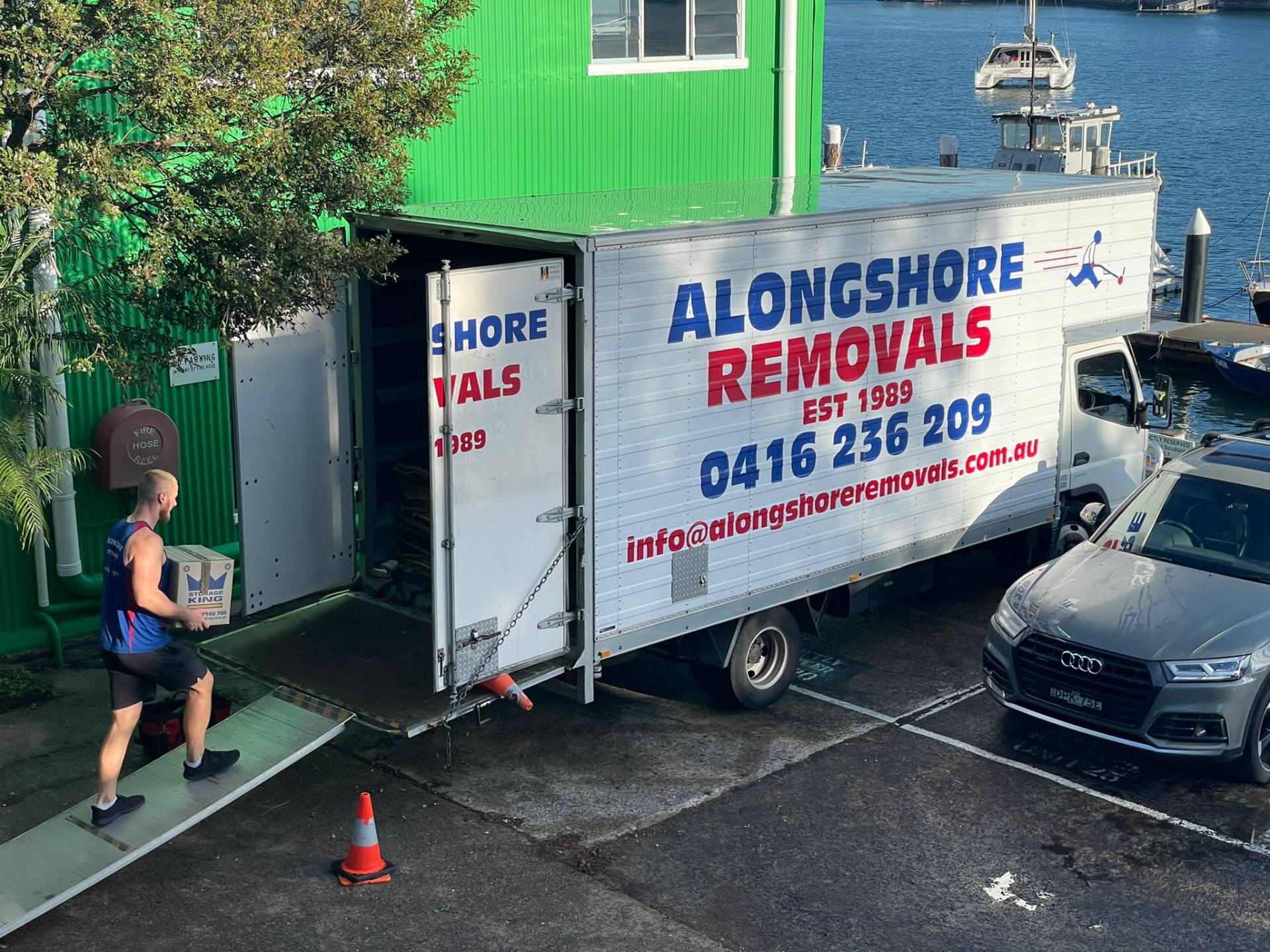
The rule we work to is simple: load before settlement, unload after it. When you book your move, tell us your settlement date and whether you are selling, buying, or both. It changes how we plan the day, and it is the first thing we ask about on a house move booked around a settlement. Our removals run Monday to Saturday from 7am to 7pm, which gives room to load early in the morning.
Selling and buying on the same day
This is the common one, and the tightest. Your sale and your purchase usually settle within hours of each other, and often the money from the first funds the second. Load the old house first thing so it is empty for the buyer’s inspection and for your own settlement. The truck then waits, loaded, until your purchase is confirmed and you have keys.
Ask your conveyancer what order the two settlements are booked in and roughly when. A purchase booked for the afternoon is very different from one at lunchtime, and we will plan the crew’s day around that.
Only buying
If you are coming from a rental, you have more room. You can load at your own pace and only need the unload to follow settlement. Check your lease end date and the condition report rules with your property manager, because the rental side has its own deadlines.
Only selling
If you are selling and renting, or moving somewhere that is already yours, move a day or two before settlement if you can. It gives you time to clean, to deal with anything left behind, and to be ready for the buyer’s inspection without a truck at the kerb.
What to tell your removalist when you book
The more we know before the day, the less gets decided at the kerb. When you call or send an enquiry, give us these details, even if some are still provisional. We would rather plan around an estimate and adjust than find out on the morning.
Much of our work comes through real estate agents and antique dealers, so fragile and valuable pieces are everyday work for us. Tell us about them up front anyway: a long wait on a loaded truck is exactly when good wrapping and careful loading earn their keep.
- Your settlement date, and the completion time once the conveyancers have booked it.
- Whether you are selling, buying, or both, and which settlement is booked first.
- Access at both ends: stairs, lifts, narrow halls, steep driveways and where a truck can park.
- Anything heavy, fragile, antique or awkward, and anything that needs taking apart.
- The agent’s name and how they will hand over keys.
Moving around a settlement?
Tell us your settlement date and whether you are buying, selling or both. We will plan the loading and the unload around it, and talk through what happens if it runs late.
If settlement runs late
Settlement can slip by hours, and sometimes by days. Because it only goes through when all documents and finances are ready, one missing signature or a lender that is not ready can hold it up. The standard contract also has a mechanism for when a party does not complete on the date, called a notice to complete. That part is for the conveyancers. Your part is the plan for your furniture.
Decide before the day what happens if the call does not come by mid afternoon. Who will tell you, the conveyancer or the agent? Can you stay where you are for a night? Is there somewhere to sleep if not? Those are much easier questions on a quiet Tuesday a fortnight out than at 4pm with a loaded truck.
It is also worth knowing how waiting affects what you pay. The cost of a move is driven mostly by time: how long it takes to load, travel and unload, how many people are on the job, and how hard the access is. A truck waiting for keys is still time. When you ask us for a quote, mention that the move depends on a settlement, and ask how waiting time is handled, so there is no surprise if the afternoon drags.

- Short delay, same day: the truck waits loaded and unloads once keys are released. Tell us as soon as you hear, so the crew can plan.
- Overnight delay: talk to us about holding the load, and to your agent or the seller about whether anything can go in early.
- Longer delay: we can arrange storage with a partner facility so your things are secure until the new place is ready, and then deliver from there.
Do not move in early without written agreement
The standard contract deals separately with a buyer getting possession before completion, and its notes tell the seller to check with their insurer first. If someone offers you early access, get it agreed through the conveyancers, not on the doorstep.
Apartments and strata buildings: one more call
If either home is in a strata building, the building’s rules matter on the day. The NSW Government’s guide to strata by-laws says by-laws are rules all residents must follow, and that each scheme is different. By-laws about common property usually cover how it can be used, which is where lobbies, lifts and car parks come in.
Ask the strata manager or building manager what the moving rules are at both ends: whether the lift needs booking or padding, which entrance removalists must use, and where a truck can stand. Owners can get the by-laws from the owners corporation, the strata manager or the agent, and tenants should get them from their landlord or agent. Send us what they say and we will plan the job to fit.
Settlement week and scam emails
Large sums move during settlement week, which makes it a target. PEXA’s guidance on settlement scams reports that four in ten people were unable to spot scam signs in an email, even after being told it was a scam. Its advice is plain: before money moves, verify.
PEXA also notes that phone, text and email are vulnerable to errors and hacking, which is why it offers its PEXA Key app for sharing bank details with your conveyancer. Whatever your conveyancer uses, the habit is the same.
- Treat any email that changes bank details as suspect until you have checked it.
- Call your conveyancer on a number you already have, not one in the email.
- The same goes for a removalist’s invoice. If our payment details ever seemed to change, call us on 0416 236 209 before paying anything.
A settlement week checklist for the move
Most of the work that makes settlement day go smoothly happens in the fortnight before it. This is the order we suggest to customers moving around a settlement.
| When | What to do |
|---|---|
| As soon as contracts exchange | Book your removalist and tell them the settlement date and completion time once known |
| Two weeks out | Ask both strata managers about lift and access rules; book a clean-up for unwanted items |
| One week out | Arrange mail redirection, connect utilities at the new place, confirm key handover with the agent |
| Two days out | Finish packing everything but the essentials; clear the garage, shed and storage cage |
| Settlement morning | Load early; buyer does the final inspection; keep your phone on |
| After confirmation | Collect keys, then unload |
Small jobs that are easy to forget
Mail is the classic one. Australia Post’s redirection service moves your letters and parcels with you, and you need to prove your identity when you apply, either online or at a Post Office. Do it in the week before, not on the day.
Pack a settlement day bag that does not go on the truck: phone chargers, the contract and your conveyancer’s number, medication, a change of clothes, and something for the kids or the dog. If settlement runs late, you will want those things with you, not strapped behind a wardrobe.
Sellers, once the last load is out, walk through every room, open every cupboard and check the meter box, the letterbox and the roof space if you used it. Take a few photos as you go. It is a quick record of the state you left the house in, and it catches the box that was hiding behind a door.
If the timing is tight and you would rather not pack the house yourself, our packing service can do it in the days before, so settlement morning is only loading. And if you are still comparing Sydney removalists, we have a separate guide on what to ask before you book, including how they handle a delayed settlement.
Common questions
What time does settlement happen in NSW?
There is no single time. The conveyancers for both sides agree a completion time in the electronic workspace, and settlement goes through then if all documents and funds are ready. Ask your conveyancer for the booked time a few days out and give it to your removalist.
When do I get the keys on settlement day?
After settlement has been confirmed. Your conveyancer will tell you it has gone through, and the selling agent then releases the keys. Ask the agent beforehand how and where they hand keys over, and what time their office closes.
Should I book removalists for settlement day itself?
Yes, if you are selling and buying on the same day, but book the unload for after settlement rather than a fixed early time. If you are only selling, moving a day or two before settlement gives you time to clean and clear anything left behind.
What happens if the seller has not moved out?
Under the standard NSW contract the seller normally has to give vacant possession on completion. If you find furniture still in the house at the final inspection, call your conveyancer and the agent straight away. It is a legal question, not one for the removalists to sort out on the day.
Can I move my things in before settlement?
Only if the seller agrees and it is properly arranged. The standard contract treats possession before completion as a separate arrangement, and its notes tell the seller to check with their insurer first. Get it agreed through the conveyancers.
What if settlement is delayed and my furniture is on the truck?
For a short delay the truck can usually wait and unload once keys are released. For anything longer, we can arrange storage with a partner facility and deliver once the new home is ready. Tell us as early as you know.
Do I need to be at settlement?
No. Settlement in NSW is done electronically by your solicitor or conveyancer. You do need to stay contactable, because a late question about a document or payment is easier to answer if you pick up the phone.
The short version
Settlement in NSW happens online at a booked time, run by the conveyancers. The move happens around it: the seller is out before it, the buyer is in after it.
- The seller normally gives vacant possession on completion, so clear the forgotten corners early.
- The buyer’s final inspection is usually on settlement morning.
- Load before settlement and unload after keys are released.
- Have a plan for a late settlement before the day.
- Verify any change of bank details by phone.
Moving in the Inner West or Lower North Shore?
Tell us your settlement date, what you are moving and anything awkward about the access at either end. We will come back with a clear quote and a plan for the day.
Get a free quote Call 0416 236 209
Based in Balmain, moving homes across Sydney and within NSW since 1989.
Sources
- Contracts and deposits when buying property in NSW, NSW Government
- Contract for the sale and purchase of land, 2022 edition (sample), Law Society of NSW and REINSW
- Buyers and sellers, PEXA
- Preventing settlement scams, PEXA
- Strata by-laws, NSW Government
- Redirect and hold mail, Australia Post